Please refrain from overcooking your vegetables. I see a lot of vegetables being tossed into food and left for too long.
I would like to think that we all include vegetables to get their nutrients, but believe me when I say that when they are overcooked, a lot of vitamins and minerals are lost, especially water-soluble vitamins like vitamin C and B vitamins.
Overcooking also eliminates the natural flavors and, in certain situations, can result in the development of toxic compounds.
Please stop frying carrots for a long time before adding other vegetables, as some people may find it extremely difficult to digest.
A gentle steam is all that is required to activate all of the nutrients found in carrots; overcooking destroys these nutrients, unless you are content with just the color on your plate; Ijeamaka enjoys both color and nutrients.
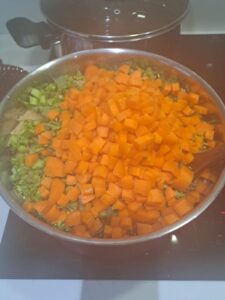
Menu vegetables contain antioxidants, which are extremely beneficial to health; however, overbooking these vegetables reduces their effectiveness to the body.
Our mothers, or granny’s if you are observant, always added their vegetables last and turned off almost immediately, allowing the heat from the hot food to steam off the vegetables; they were extremely wise. I often wonder how they learned so much about food and nutrition.
It is best to cook your vegetables tenderly, preserving both nutrients and flavor.
According to extensive Research, Overcooking vegetables can lead to several disadvantages, affecting their nutritional value, taste, texture, and overall quality. Here are the main drawbacks:
1. Loss of Nutritional Value
- Reduced Vitamin Content: Overcooking destroys heat-sensitive vitamins like Vitamin C and some B vitamins.
- Loss of Antioxidants: Prolonged cooking can degrade beneficial antioxidants, which are essential for fighting free radicals in the body.
- Mineral Leaching: Overcooking in water can cause minerals like potassium and magnesium to leach out, especially if the cooking water is discarded.
2. Changes in Texture
- Overcooked vegetables often become mushy and unappetizing, losing their natural crispness and bite.
- This can make them less appealing, especially for picky eaters or children.
3. Altered Taste
- Overcooking can dull the natural flavors of vegetables, making them bland or overly bitter.
- It may also amplify unpleasant flavors, like the sulfuric taste in overcooked cruciferous vegetables (e.g., broccoli, cabbage).
4. Loss of Color
- Prolonged cooking breaks down chlorophyll in green vegetables, turning them a dull olive or grayish-green.
- Bright, vibrant colors in vegetables often indicate freshness and appeal, which is lost with overcooking.
5. Impact on Digestive Health
- Overcooking can break down fiber in vegetables too much, reducing their ability to aid in digestion and promote gut health.
- This can diminish the feeling of fullness and reduce other health benefits associated with dietary fiber.
6. Potential Formation of Harmful Compounds
- High heat and prolonged cooking can create harmful compounds, especially in methods like frying or grilling, which may increase health risks over time.
7. Increased Food Waste
- Overcooked vegetables are less enjoyable to eat, which can lead to food being discarded, contributing to waste.
Tips to Avoid Overcooking Vegetables
- Steam or Blanch: These methods preserve nutrients better than boiling.
- Cook Until Just Tender: Use a fork to test doneness and aim for a tender-crisp texture.
- Avoid High Heat for Prolonged Periods: Opt for moderate heat to retain nutrients and texture.
- Use Cooking Water: If boiling, use the water for soups or sauces to retain leached nutrients.